





Being Politically Active

Write a letter to your local or state representatives about preventing oil spills. Write about how oil spills have affected local businesses in your community or the communities in your country or region. Include statistics in your letter to support your information. Also ask your representative what their stance on the issue is and if they are doing anything to address it.

Vote for candidates that prioritize the environment. Visit the websites of local candidates to find out where they stand on environmental issues like renewable energy. If they have a track record of voting for policies to protect the environment and reduce our dependence on fossil fuels, help put them in office by voting for them.

Join a non-profit environmental group to raise awareness. There are many non-profits groups and organizations fighting to reduce the world’s dependency on oil through the use of renewable energy. Support an organization like Center for American Progress, 350.org, The Environmental Working Group, or the Sierra Club by joining and volunteering.

Donate money to non-profit organizations that work to prevent oil spills. If you do not have the time to join or volunteer for an environmental protection organization, you can help support them financially. Donate money to Green Peace, Oceana, or 350.org. Donate on a monthly or annual basis, or whenever you have extra money.

Sign a petition to stop offshore drilling. Oil spills around the world have alerted citizens to the dangers of offshore drilling. Find a petition by typing “offshore drilling petition” in your search engine. A results list full of sites that have petitions will appear. To sign a petition, you will need to enter your name and email address. Sign reputable organizations' petitions like Oceanic Preservation Society, Ocean Conservancy, Team ORCA, and Oceana.
Using Sustainable Products

Use glass, ceramic, or metal dining ware. Unlike plastic and Styrofoam, glass, ceramic, and metal are reusable materials that are not made from the byproducts of oil production. By using glass or ceramic plates, cups, straws, and silverware, you can help reduce society’s reliance on oil.

Buy clothes made with 100% natural fibers like cotton, silk, and wool. Synthetic fabrics like polyester, nylon, and acrylic are made with oil and oil byproducts. However, cotton, silk, and wool are not. Purchase clothes made with 100% natural fibers to reduce your reliance on oil. Alternatively, buy upcycled clothing, or used clothes instead of brand new clothes.

Use fabric grocery bags. Unlike plastic grocery bags, fabric grocery bags are not made from oil byproducts. Fabric grocery bags are also reusable, and thus, sustainable. Many grocery stores sell fabric grocery bags for $3 to $5. If your local grocery store doesn’t sell them, then use your own fabric bag from home to carry your groceries.
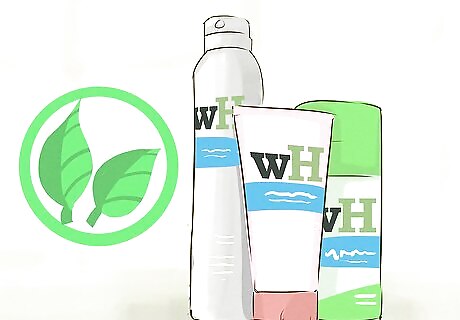
Buy sustainable hygiene and grooming products. Many commercial grooming and hygiene products are made with oil like deodorant, shampoo, toothpaste, soap, and makeup products. The Environmental Working Group’s website contains a database of grooming and hygiene products that are not made with oil. These products are not only better for your health, but using them can also help you reduce your use of oil-dependent products.
Donate clothing and household goods to charity. Donate working computers, fans, lights, and microwaves to your local charity instead of throwing them away. Additionally, donate clothing that no longer fits to a local charity like the Salvation Army.[Image:Save-Money-when-Moving-Step-14.jpg|center]]
Conserving Energy

Use public transportation. Whenever you can, use the train or bus instead of the car to get to your destination. This way, you can reduce the amount of gas you use on a weekly basis. Additionally, if the place you are going to is close enough, bike there instead of driving.
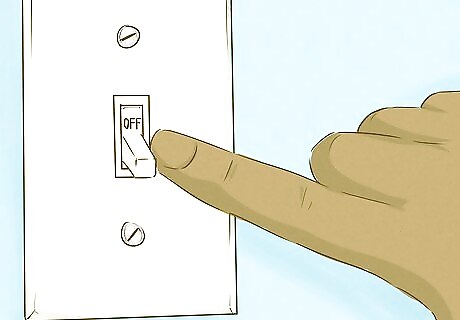
Turn off the lights in rooms that you are not using. Only turn on the lights when you’re in the room. Once you leave the room, make sure to turn off the lights. This will help you conserve energy and reduce your use of fossil fuels like oil and gas.

Purchase green electricity. Many electricity companies provide “green pricing” options for their customers. Ask your electricity provider about their “green pricing” options. Additionally, there are 100% renewable electricity companies that sell renewable energy to their customers directly. Make a renewable electricity company your primary provider.
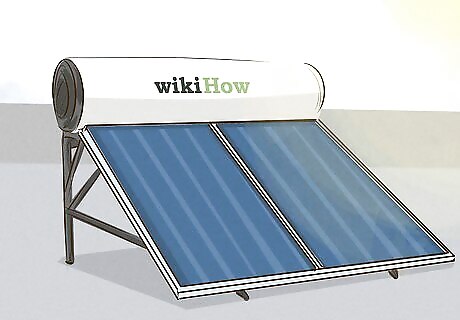
Install a home solar panel system. Although home solar panel systems can be pricey, ranging from $12,000 to $20,000, many utility companies subsidize half or a third of the cost. Your federal and local government may also offer incentives like tax credits and rebates for using a home solar panel system. Contact a local company in your area that provides home solar panel systems to find out about installation methods, pricing, and incentives.











Comments
0 comment